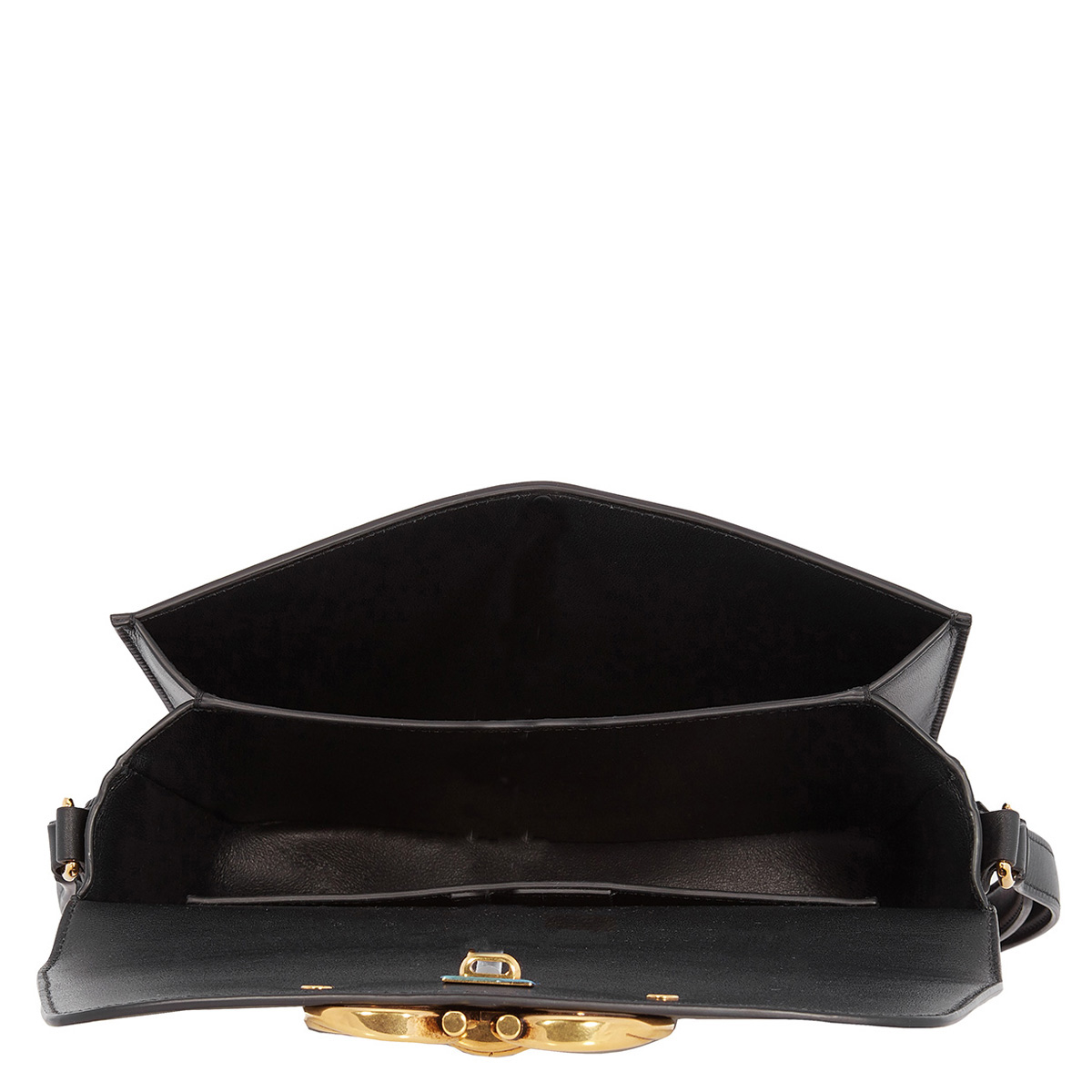
Salvatore Ferragamo Handbag Maintenance 101: Keeping Your Investment Piece Flawless
Committing to a Ferragamo bag is rarely a spontaneous move — it’s a deliberate purchase, commonly planned around and picked out with care. This is precisely why the aftercare matters so much. Whether you’ve picked up a structured top-handle style or perhaps a more relaxed shoulder style, the leather, hardware, and construction were designed to hold up for decades provided you do your part. Salvatore Ferragamo’s near-century-long reputation rests on masterful workmanship, yet that legacy only survives when owners understand what their bag actually needs. This guide runs through the realistic, unglamorous maintenance routines that help a Ferragamo bag stay nearer to its original state than to five years of wear.
Too many people treat luxury leather goods the same way they’d treat disposable fast-fashion items: purchase, wear, neglect, discard. This kind of bag responds to a completely different approach. Modest routines — the way it’s stored, the cloth used to wipe it, the manner rain is dealt with — accumulate over time into a noticeably better-kept piece. No specialist knowledge is needed. It requires consistency.
Knowing What You’re Really Maintaining
Ahead of covering routines and cleaning products, it helps to know what materials you’re working with, since Ferragamo bags vary considerably. The maison uses smooth calfskin, saffiano-textured leather, suede, and exotic-effect finishes, with each material responding uniquely to pressure and use. Smooth calfskin totes scuff in a different way from saffiano-textured pieces, whereas suede panels need their own distinct maintenance rules apart from polished leather. Check the care card or authenticity documentation that came with your bag — Ferragamo typically includes material-specific guidance at purchase, and that card deserves to be kept rather than thrown out with the box.
Hardware is the second variable designer handbags people overlook. A large number of Ferragamo bags feature the signature Gancini clasp or other metal closures in gold-tone, palladium, or ruthenium finishes. These finishes can tarnish with prolonged exposure to moisture, perfume, or skin oils, so wiping hardware with a dry microfiber cloth after each wear is a small habit with outsized payoff. Lining fabric, often a branded jacquard or canvas, also needs occasional attention as stains and pen ink tend to mark it more easily than the exterior leather.
Understanding your bag’s particular build shapes how you handle every step that follows, ranging from the cleaning products used to the humidity of storage. That’s what separates broad, generic advice from maintenance that truly protects the bag you own.
Daily and Weekly Habits That Prevent Damage
Wear on a fine handbag seldom occurs from a single major mishap; instead, it creeps in from small, routine neglect. Resting it on abrasive ground, tossing it into a car seat corner, or letting bare arms transfer sweat and lotion residue onto it — all of these exact a slow toll. Keep in mind that the bottom and edges are the most vulnerable zones, absorbing the heaviest wear.
- Wipe clean the exterior with a soft, dry cloth after each use to clear away dust, oils, and surface grime before it settles into the leather grain.
- Avoid placing the bag straight onto the ground, particularly in restaurants, airports, or public transport, where dirt and dampness lead to the worst visible wear.
- Switch which arm or hand holds the bag to spread out strap and handle wear uniformly rather than focusing pressure on a single point of contact.
- Clear out the bag once a week to check for leaking pens, makeup spills, or crumbs that can discolor the interior lining if left unattended.
- Keep receipts, keys, and metal objects in a separate pouch inside the bag to prevent scratching against the interior leather or hardware.
Not one of these tasks take more than a couple of minutes, but neglecting them repeatedly is how a bag just 2 years old ends up looking older than it should. Staying disciplined about it is an inexpensive safeguard against costlier repairs down the line.
Cleaning Leather, Suede, and Metal Fittings the Right Way
Cleaning method depends entirely on the fabric type, and applying an unsuitable cleaner can lead to harm that’s nearly irreversible. For smooth calfskin, a leather-specific cleaner applied sparingly with a soft cloth, followed by a leather conditioner periodically, maintains suppleness and helps prevent cracking. Avoid using household cleaning products, baby wipes, or alcohol-based solutions on fine leather — they strip natural oils and can permanently degrade its shine.
Saffiano-textured leather is less sensitive with slight dampness because of its textured, coated finish, but it still shouldn’t be drenched or rubbed hard. A barely damp microfiber cloth followed by immediate drying with a second dry cloth is typically enough for surface marks. Suede is the trickiest material in the Ferragamo lineup to maintain; it calls for a dedicated suede brush used in a single direction to remove dirt, and any liquid stains should be blotted immediately rather than scrubbed, which only pushes the stain further into the fabric’s texture.
Hardware cleaning is simpler but still demands restraint. A dry microfiber cloth takes care of everyday maintenance, and when tarnish accumulates, a purpose-made metal-jewelry cloth — not a chemical polish, ever — restores shine without stripping the plated finish. Whenever it’s unclear if a stain or damage goes beyond what home care can fix, expert leather-restoration specialists who work with luxury handbags are a wiser option than DIY experimentation. Permanent harm most often occurs when DIY fixes are attempted on something this valuable.
Storage That Actually Protects Shape and Structure
How you store a Ferragamo bag when it’s not in use counts nearly as much as how you clean it. Firm-silhouette bags need inner reinforcement to keep the base and edges from caving in or wrinkling with prolonged storage, so filling the inside with acid-free tissue paper or a purpose-made bag pillow prior to storing it maintains shape much better than storing it empty. That dust bag from your purchase serves more than a packaging role — it guards against dust accumulation and light scratching from other items in a closet or shelf.
Humidity and temperature swings are the silent enemies of leather goods. Storing a bag in a damp basement or a hot attic speeds up drying, cracking, or mold growth on both leather and lining fabric, so a climate-stable closet is the safer environment. Sunlight causes uneven fading and color change, especially with paler leather tones, so keep bags away from windows or direct light sources even if they’re on display instead of tucked away completely.
For pieces with delicate handle stitching, laying the bag flat or storing it upright with internal support is generally better than suspending it by the handles for long stretches, which can stretch or distort their shape. For those with multiple bags, switching between pieces rather than relying on a single favorite also allows each piece time to rest between uses, which matters more for structural integrity than most people realize.
How to Handle Rain, Spills, and Ordinary Mishaps
Even the most attentive owner will sooner or later get caught in rain with a Ferragamo bag in hand, given that weather is hard to forecast. Light moisture on smooth or saffiano leather can usually be patted immediately with a dry cloth and allowed to dry on its own, away from direct heat sources like radiators or hairdryers, which can cause the leather to stiffen or crack. Compared with smooth leather, suede is much more susceptible to water damage and should be treated with a protective spray ahead of wearing it out in changeable weather, given that it’s far simpler to prevent damage than to fix it later.
Spills from drinks, food, or cosmetics happen more often than anyone likes to admit, and being fast outweighs being forceful when addressing them. The moment liquid spills, blot it — rubbing should be avoided with a clean, absorbent cloth, working from the outside of the stain inward to avoid letting it spread across the leather or lining. Ink is notoriously difficult to remove and often require professional intervention rather than home remedies, since applying alcohol-based cleaners the wrong way can permanently stain the leather.
When dye migrates from denim or dark garments, a common complaint with lighter-colored bags, a mild leather cleaner used right away often solves the problem before it settles in for good. Delaying treatment by just a few days can turn an easy cleanup into a stain that calls for a specialist’s help. Should any hesitation arise, assume any incident needs prompt handling rather than an issue to put off.
Assessing Care Needs Across Widely Favored Ferragamo Bag Styles
Not every Ferragamo bag demands identical upkeep, and understanding these distinctions helps prioritize where to spend your maintenance effort. What follows summarizes overall maintenance notes across typical style groupings found at any Ferragamo shop or when browsing Ferragamo bags overview pages online.
| Bag Style | Principal Material Used | Primary Maintenance Concern | Suggested Storage |
|---|---|---|---|
| Structured top-handle | Fine-grain calfskin | Conditioning to prevent cracking at handles | Kept vertical with internal support and a dust bag on |
| Daily tote | Textured saffiano leather | Light moisture wiping, base corner checks | Kept lying flat and never overpacked |
| Soft-structure shoulder bag | Suede or supple leather | Brushing the surface and blotting stains right away | Filled with tissue paper and kept out of sunlight |
| Mini or crossbody bag | Mixed leather and hardware | Hardware polishing, strap wear rotation | Dust bag in drawer, avoid stacking |
Think of this comparison as a baseline rather than a definitive rulebook, since particular bags in any given category can vary based on finish and construction year. Even so, it shows why no single maintenance routine easily fits across an entire collection of Ferragamo bags, and why it pays more to follow your item’s actual care card than broad advice found online.
Ways to Select and Care for the Top Ferragamo Bags
Whenever shoppers hunt for top Ferragamo bags or top Ferragamo bags to invest in, resilience and simple care are generally as important as aesthics, though that priority takes a back seat to design at checkout. Structured styles in saffiano or smooth leather tend to be more easygoing for regular use and trips, simply because they hide minor wear more effectively than suede or pale-colored pieces. If you’re deciding between a few options at a Ferragamo shop, ask directly about material care requirements before buying — the sales team are generally well-versed in this and can set realistic expectations.
Looking across the best Salvatore Ferragamo bags, the ones that hold up best over time tend to share a few traits: premium-grade leather that reacts favorably to conditioning, fittings that stay tarnish-free, and build that keeps its form without excessive internal stuffing. None of this guarantees immunity from damage, but they signal that a bag will be more tolerant of occasional neglect more readily than a delicate suede piece would.
Ultimately, the “best” bag is the one whose maintenance demands suit your real-world habits. A frequent traveler is better matched with a structured calfskin or saffiano piece than a pale suede bag that shows every water spot. In many respects, the first and most vital step in caring for a bag long-term is choosing the right material for how you’ll use it — long before you ever pick up a cleaning cloth.